The Vital Guide to Recognizing Steel Casting Applications and techniques
Metal casting strategies develop the backbone of modern manufacturing. These techniques change liquified steel into exact forms, accommodating different sectors. Each technique, from sand spreading to investment spreading, supplies special benefits and applications. Understanding these methods is necessary for maximizing manufacturing processes. As industries develop, the demand for ingenious and reliable spreading options expands. What exists ahead for these methods when faced with advancing innovation and transforming market requirements?
Review of Steel Casting Strategies
Steel spreading methods encompass a selection of methods made use of to form liquified steel into desired forms. These techniques are important in various industries, including vehicle, aerospace, and art, enabling the manufacturing of components with complex geometries and intricate details. The primary procedures include gravity casting, where steel streams into a mold under its weight, and stress spreading, where liquified metal is compelled right into a mold and mildew tooth cavity. Investment casting, understood for its precision, uses a wax pattern that is melted away, creating a very precise mold. Pass away casting employs a high-pressure system to create parts quickly, while lost foam casting integrates the performance of foam patterns with precision. Each technique has its advantages, tailored to specific applications based on elements like material homes, production volume, and wanted surface. Recognizing these techniques allows makers to select the most suitable method for their unique demands, maximizing both effectiveness and top quality in metal manufacturing.
Sand Casting: One Of The Most Typical Method
Although various spreading techniques exist, sand spreading remains the most prevalent strategy in the industry due to its flexibility and cost-effectiveness. This approach uses sand as a primary mold product, permitting the development of big parts and complex shapes. The process starts with the formation of a mold and mildew, generally made from a combination of sand and a binding representative. Once the mold is prepared, molten metal is put right into the cavity, filling up every detail of the style.
After the metal strengthens and cools, the mold and mildew is escaped to reveal the final casting. Sand spreading is particularly preferred for its ability to accommodate a variety of steels, consisting of steel, light weight aluminum, and iron. Furthermore, it appropriates for both small-scale manufacturing and large volumes, making it an excellent choice for industries such as auto, aerospace, and building and construction. Aluminum Casting. Its simpleness and effectiveness remain to drive its popularity in metalworking
Investment Casting: Accuracy and Information
Financial investment casting is a highly specific steel casting method that provides outstanding detail in the final product. This process includes producing a wax pattern that is coated with a ceramic material, permitting complex styles and smooth surface area finishes. Its benefits include the ability to create complicated forms and a variety of applications throughout various sectors.
Process Overview
When precision and intricate detail are critical, financial investment casting becomes a recommended approach in metalworking. Aluminum Casting. This process starts with creating a wax or polymer pattern, which is after that covered with a ceramic shell. As soon as the shell sets, the pattern is thawed out, leaving a mold. Molten steel is poured right into this mold to produce the desired form. After cooling, the ceramic covering is removed, revealing the actors element. Investment casting permits limited resistances and complex geometries, making it ideal for different materials, including steel, light weight aluminum, and titanium. This method is particularly valued in markets that need high-grade finishes and elaborate designs, making sure that each actors component meets rigid specs with marginal post-processing
Benefits and Applications
The benefits of investment spreading extend past its ability to produce intricate geometries and limited resistances. This strategy permits the manufacturing of comprehensive components with smooth surface area finishes, substantially lowering the requirement for considerable machining. Investment spreading is particularly useful for manufacturing elaborate parts in Aluminum Casting industries such as aerospace, automobile, and medical devices, where precision is important. In addition, it fits a large array of materials, consisting of various alloys, which can improve efficiency in specific applications. The process additionally yields high production rates, making it financially sensible for both little and big sets. Ultimately, financial investment spreading attracts attention for its capability, adaptability, and effectiveness to produce high-quality elements that meet stringent market standards.
Pass Away Casting: High-Volume Manufacturing
Die casting becomes a significant method for high-volume manufacturing, especially in markets needing precision-engineered elements. This technique entails forcing liquified steel under high stress right into a mold dental caries, leading to components with outstanding dimensional precision and surface area finish. Typically utilized with non-ferrous steels such as zinc, magnesium, and light weight aluminum, pass away spreading is preferred for its capability to generate intricate shapes with very little machining needs.
The process permits rapid manufacturing cycles, making it perfect for manufacturing huge quantities of elements effectively. Pass away casting is commonly utilized in vehicle, aerospace, and consumer electronics markets, where reliability and repeatability are vital. Additionally, advancements in modern technology have actually resulted in boosted mold layouts and materials, boosting the sturdiness and lifespan of the molds. On the whole, die spreading attracts attention as a vital technique for manufacturers intending to fulfill high production demands while maintaining quality and cost-effectiveness in their operations.
Lost Wax Spreading: An One-of-a-kind Artistic Technique
Lost wax casting, a method with old origins, has been made use of for centuries to create detailed metal sculptures. This strategy includes a number of accurate actions, from crafting a wax design to the final metal pour. Recognizing both its historical relevance and the in-depth procedure can brighten the virtuosity behind this special spreading method.
History of Lost Wax
Amongst the myriad metal casting methods, lost wax casting stands out for its distinct artistic expression and abundant historical origins. This method, thought to go back over 5,000 years, has been made use of by different civilizations, consisting of the old Egyptians, Greeks, and Chinese. At first used for producing intricate fashion jewelry and ceremonial items, shed wax casting allowed artisans to replicate comprehensive designs with precision. The process entails forming a design in wax, which is then encased in a mold. As soon as heated up, the wax disappears, leaving a tooth cavity for molten steel. This technique not only showcases the ability of the musician but likewise highlights the social value of metalwork throughout history, affecting contemporary techniques in sculpture and layout.
Refine Steps Discussed
The complex process of lost wax casting involves a number of meticulously coordinated steps that change a wax version into a magnificent metal artefact. A musician produces a thorough wax model, which serves as the theme for the final piece. This version is after that covered with a refractory material to develop a mold and mildew, followed by heating up to allow the wax to melt and recede, leaving a hollow dental caries. Next, liquified metal is put into the mold and mildew, filling the void left by the wax. When the steel cools down and strengthens, the mold is damaged away to expose the ended up product. Any type of necessary finishing touches, such as polishing and surface area treatment, are used to boost the item's aesthetic charm and resilience.
Applications of Metal Casting in Numerous Industries
Metal spreading acts as an essential process throughout many markets, offering necessary elements for a wide selection of applications. In the vehicle industry, it enables the production of engine blocks, transmission cases, and numerous structural parts, contributing to vehicle sturdiness and efficiency. The aerospace market utilizes metal spreading for lightweight yet strong elements, such as wind turbine blades and touchdown gear, crucial for trip safety and security.

In building, cast steel components like light beams and fittings improve structural stability and aesthetic charm. The energy industry likewise benefits, with actors elements made use of in turbines and generators, enhancing efficiency in power production. Additionally, the medical field uses steel casting to create accuracy instruments and implants, highlighting its function ahead of time medical care technology. Overall, metal spreading's convenience and efficiency make it indispensable for generating top quality components across varied industries, driving advancement and meeting certain practical demands.
Often Asked Questions
What Products Are Frequently Utilized for Metal Casting?
Typical products utilized for steel spreading consist of light weight aluminum, iron, bronze, and magnesium. These steels are favored for their positive properties, such as melting point, fluidity, and stamina, making them suitable for a selection of applications.
Exactly How Does Environmental Influence Vary Between Casting Approaches?
Environmental influence varies considerably amongst casting techniques. Sand casting typically has reduced exhausts compared to investment spreading, which utilizes a lot more energy and generates higher waste. In addition, techniques can influence air and water quality in a different way.
What Safety Safety Measures Should Be Taken Throughout Steel Casting?
Throughout metal spreading, security preventative measures include using safety equipment, making sure correct ventilation, preserving tools, utilizing fire-resistant materials, following recognized protocols, and training workers to take care of unsafe materials and emergencies successfully to decrease threats.
Can Steel Spreading Be Done in the house?
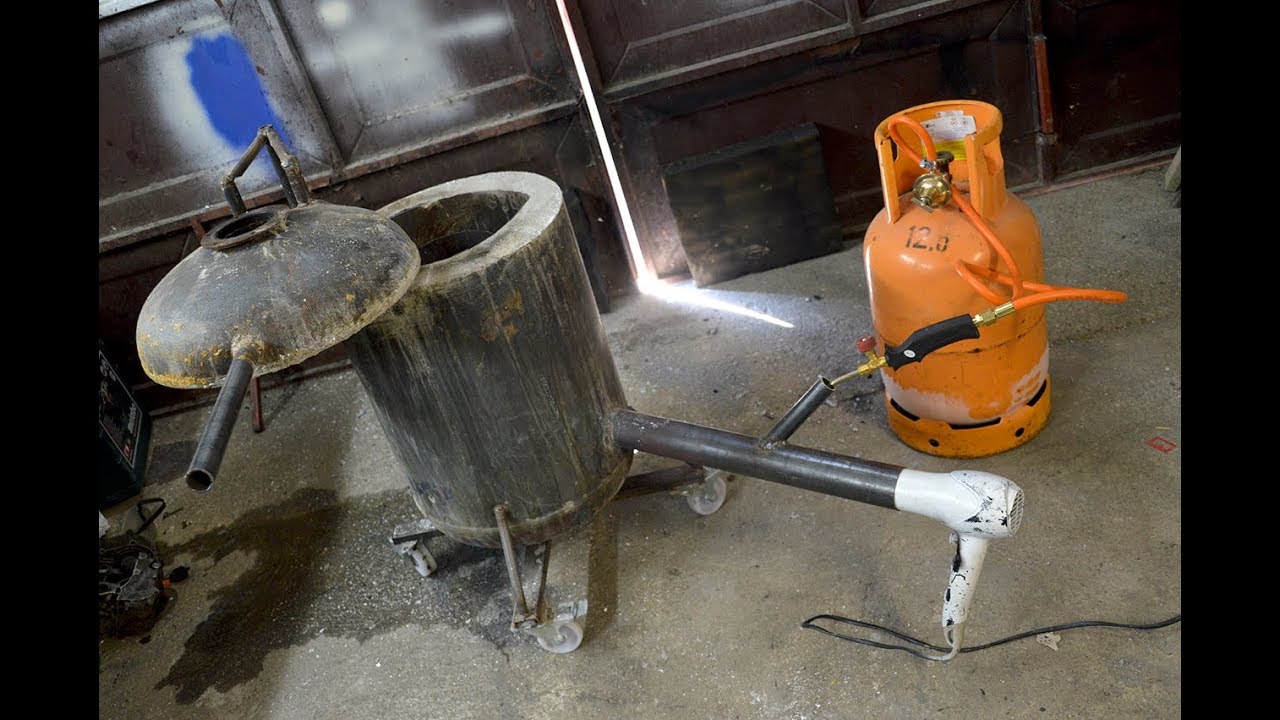
Steel spreading can be done in the house, given people have the required devices, products, and security steps in place. Correct air flow, safety gear, and adherence to guidelines are essential for a secure, effective process.
Just how Do I Select the Right Spreading Approach for My Job?
Each technique, from sand spreading to financial investment casting, provides one-of-a-kind advantages and applications. The primary procedures consist of gravity spreading, where steel streams into a mold and mildew under its weight, and stress spreading, where molten steel is compelled into a mold and mildew tooth cavity. Many spreading methods exist, sand spreading continues to be the most common strategy in the market due to its flexibility and cost-effectiveness. Investment casting is a very precise metal spreading strategy that offers extraordinary information in the final product. Among the myriad metal casting methods, lost wax spreading stands out for its one-of-a-kind artistic expression and rich historical roots.